
Eliminate condensation and optimize desulfurization performance.
Extend the lifespan of your combined heat and power (CHP) system with our industrial‑grade biogas drying system.
Built to your specifications
Skid based
Plug & Play
Compact System
GGGW 2500
up to 2500 m3/h
temperature <4 degr. C
< 20% Relative humidity


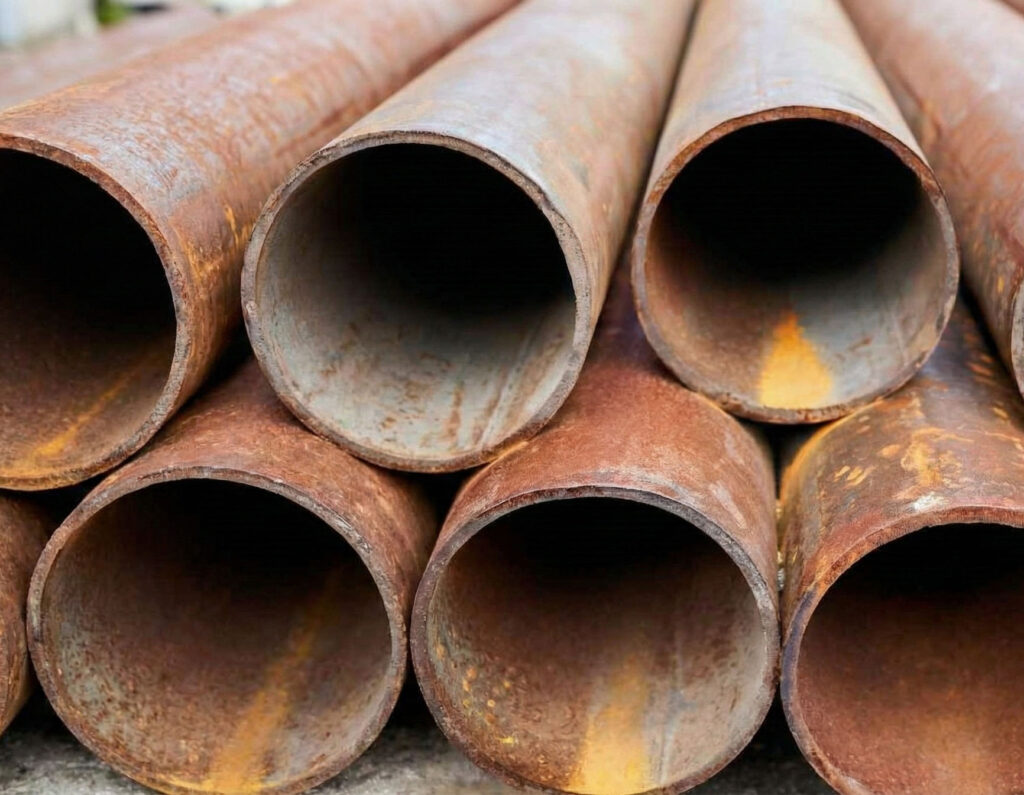
Untreated biogas causes corrosion  and costly downtime.
  Our advanced cooling technology removes moisture to optimize combustion, protect downstream equipment, and guarantee a continuous, trouble-free
  gas supply.
Trusted across the globe:





Why dry biogas matters
Drying biogas removes moisture and water‑soluble contaminants so your gas is more stable, less corrosive and better suited for engines or upgrading. That means fewer surprises in the gas line and more predictable output from your CHP or biomethane system.
01
Ready for upgrading and grid injection
Most upgrading and grid‑injection standards require low moisture content to protect membranes, scrubbers and metering equipment. By delivering consistently dry biogas, the dryer secures process stability and helps your plant meet technical specifications for biomethane sales or gas‑grid access.
02
Protects engines and equipment
Dry biogas is essential to prevent condensation in gas systems. When moisture is present, it can combine with hydrogen sulfide (H₂S) to form corrosive acids, making H₂S the primary contributor to corrosion. Removing water from biogas protects engines, pipelines, instrumentation and valves.
In addition to corrosion, condensate can accumulate in piping systems, leading to blockages, increased pressure drop, and unstable gas flow conditions. A reliable biogas dryer therefore not only extends the lifetime of CHP units and compressors, but also ensures stable operation, reduces unplanned downtime, and minimizes maintenance costs.
03
Higher efficiency and output
Our advanced biogas dryer, equipped with an integrated recuperator, not only reduces energy consumption but also optimizes the relative humidity of the biogas. This creates ideal conditions for downstream gas treatment, particularly for activated carbon filters used in H₂S removal. By maintaining optimal humidity levels, the adsorption efficiency of activated carbon is improved, leading to longer service life and more efficient use of the carbon media.
With a stable and dry biogas stream, engines operate closer to their design parameters. This results in higher electrical efficiency, improved heat recovery, fewer misfires, and cleaner combustion. A consistent calorific value ultimately translates into more kilowatt-hours per cubic metre of biogas, maximizing the overall energy yield of your installation.
04
Longer life for filters and oil
Drying removes a portion of water‑soluble gases such as ammonia, H₂S and siloxanes before they reach activated carbon and engine oil. As a result, carbon filters saturate more slowly and lubricating oil stays in spec longer, reducing media replacement and oil‑change frequency.
Realised
Projects
Where is a biogas dryer used?
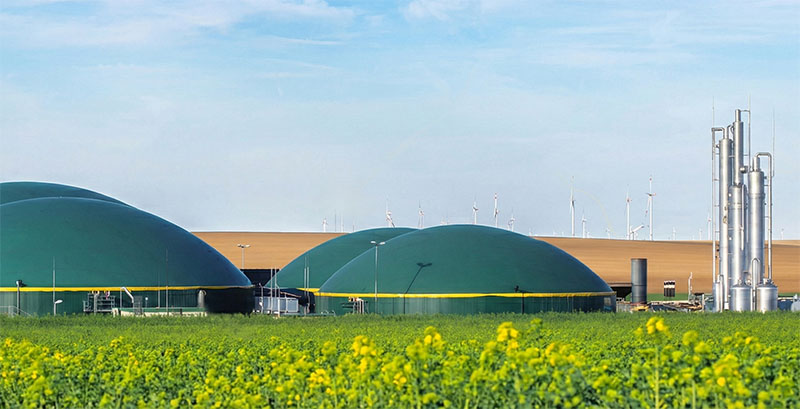
A biogas dryer is typically installed between your digester gas storage and the gas consumer, where moisture would otherwise cause problems. Encon uses dryers on farm digesters, industrial Anaerobic Digestion plants and sewage gas installations to protect CHP engines, gas upgrading units and grid‑injection systems from condensation and corrosion in the gas line.
02
Biomethane upgrading
Deliver a more stable gas stream to downstream treatment equipment.
03
Farm digesters
Keep smaller biogas plants reliable with compact skid-based drying solutions.
04
Industrial AD plants
Match larger gas flows with engineered cooling and condensate handling.
Frequently Asked Questions
What dew point should biogas reach before CHP engines?
Target pressure dew point of 3-7°C PDP at 8 mbar ensures no condensation in pipelines or engines under varying ambient conditions. Encon Clean Energy Biogas systems achieve this via staged cooling with automatic condensate drainage.
How does countercurrent heat recuperation work in biogas dryers?
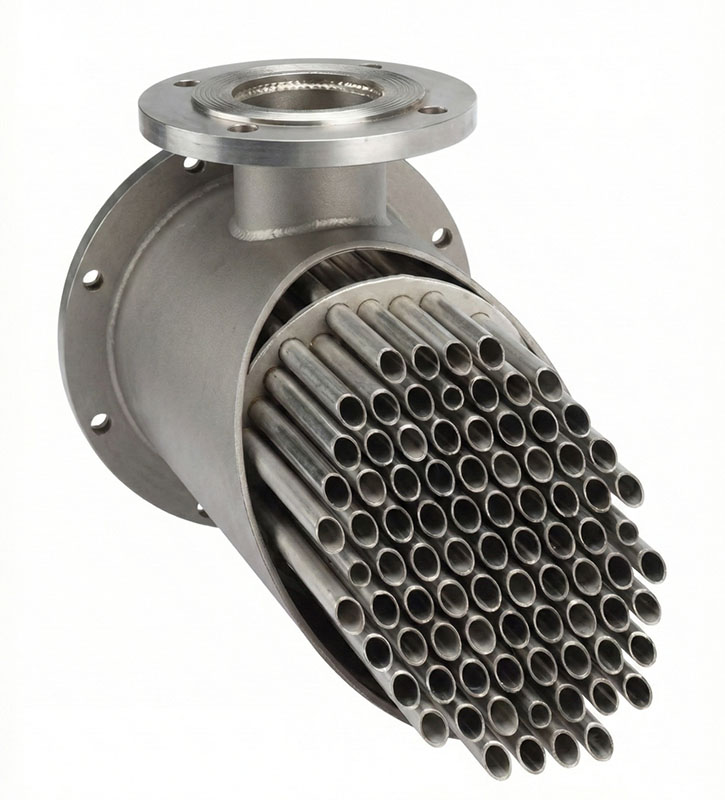
Incoming wet biogas (35-40°C) preheats outgoing dry gas in a gas-gas exchanger, then cools via gas-water exchanger to <5°C dew point. This recovers 30%+ of heat, reducing cooling energy by pre-cooling incoming gas before condensate forms.
What’s the pressure drop across a typical biogas dryer?
Encon Clean Energy’s Biogas systems maintain <10 mbar ΔP across full flow range (100-5000 m³/h) via optimized exchanger geometry. Low ΔP is critical for blower efficiency in low-pressure biogas lines.
Can biogas dryers handle ammonia (NH3) in the gas?
Encon Clean Energy also designs Biogas Dryers with integrated NH3 scrubbers to bind ammonia (harmful to engines) using condensate circulation before final cooling. Reduces NH3 from 1000ppm to <50ppm, extending engine catalyst life.
How do gas-gas vs gas-water exchangers differ in efficiency?
Gas-gas exchangers recover sensible heat internally (60-70% efficiency) while gas-water needs external chillers (COP 3-4). Encon’s dual-exchanger design combines both for 30% better energy use than water-only cooling.